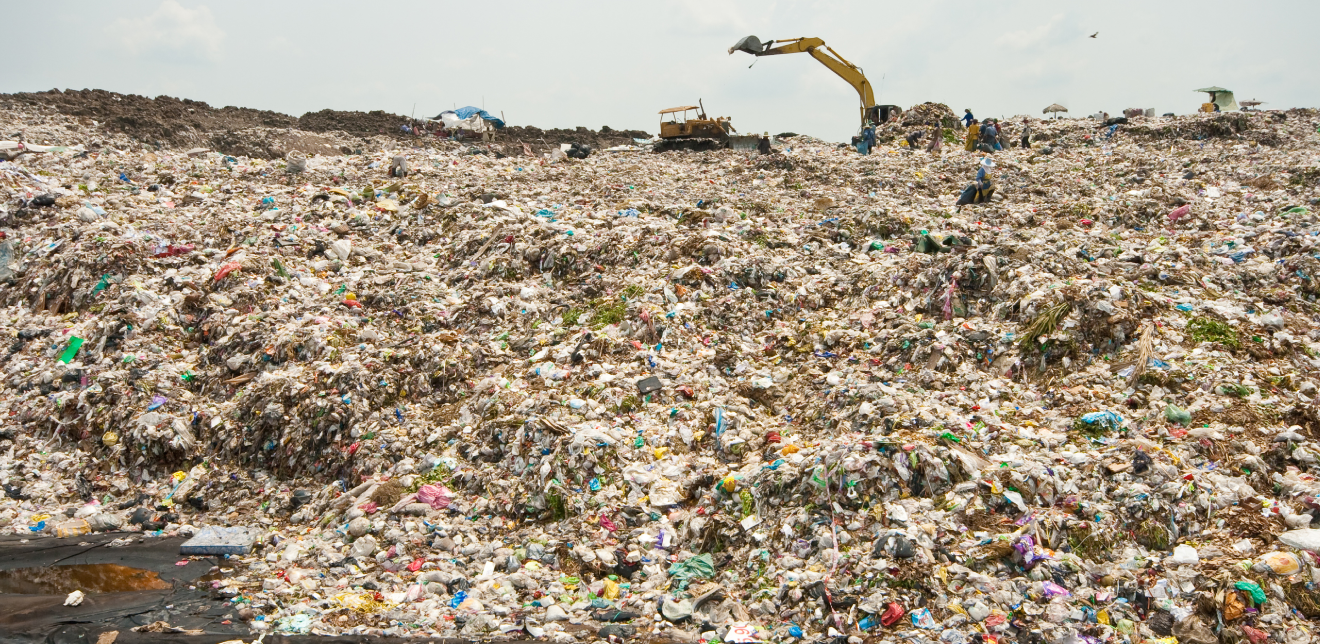
The Global Waste Crisis: Accumulating Pollution from Improper Management
The global waste crisis is a threat caused by improper waste management, increasing waste worldwide. This problem worsens daily and impacts the environment by creating pollution while inevitably affecting human health and quality of life in the absence of proper management. Waste is a source of accumulating pollution that endangers human health and the world’s environment.
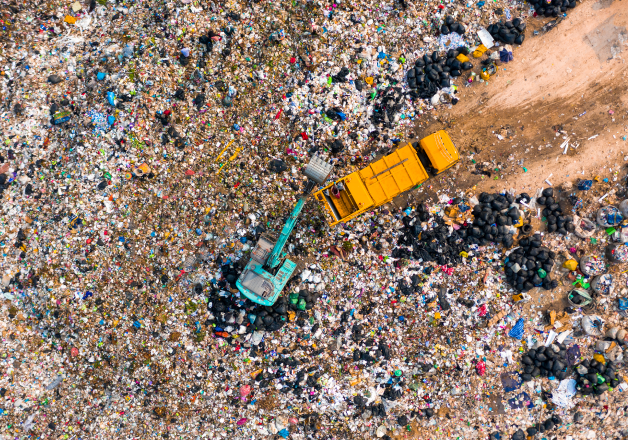
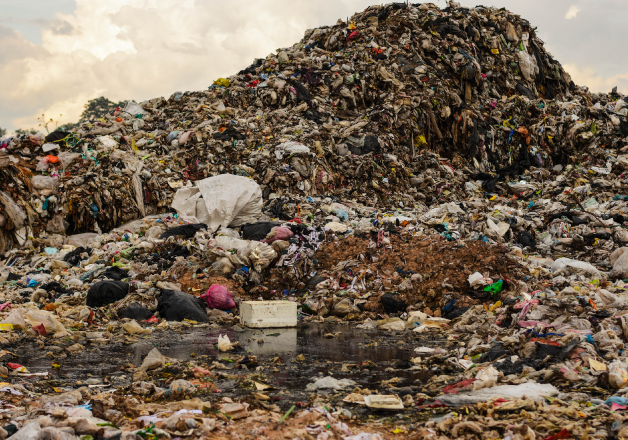
What are the threats and impacts of the global waste crisis?
- Soil pollution: When degradable organic waste such as food and leaves are improperly managed, soil quality can be affected, leading to deteriorating soil conditions, loss of abundance, and long-term ecological and agricultural impacts.
- Water pollution: Plastic waste and other wastes are pollutants that flow into waterways and harm water ecosystems and aquatic animals. They can also contaminate water used for consumption, leading to various diseases, not to mention floods due to clogging of water drainage pipes.
- Air pollution: Waste burning, especially plastic waste, causes toxic gases to be released into the atmosphere, leading to significant contamination of air by toxins and contributing to global warming, weather changes, particulate matter (PM2.5), and respiratory health problems.
- Health Problems: Improperly managed waste is the source for the growth of disease-carrying animals such as mosquitos, flies, and other toxic animals that can cause diseases such as dengue fever, malaria, necrotizing fasciitis, and harmful gastrointestinal diseases.
- Global warming: The breakdown of organic waste in landfills leads to the release of methane gas, a greenhouse gas that contributes to global warming and affects the world’s climate conditions. Global warming can cause different types of natural disasters, such as floods, storms, La Nina—El Nino effects, and other natural phenomena that affect the global population.
What are the solutions to the global waste crisis?
• Reduce waste production: Purchase products only as necessary, avoid using disposable packaging, or choose reusable products to reduce waste.
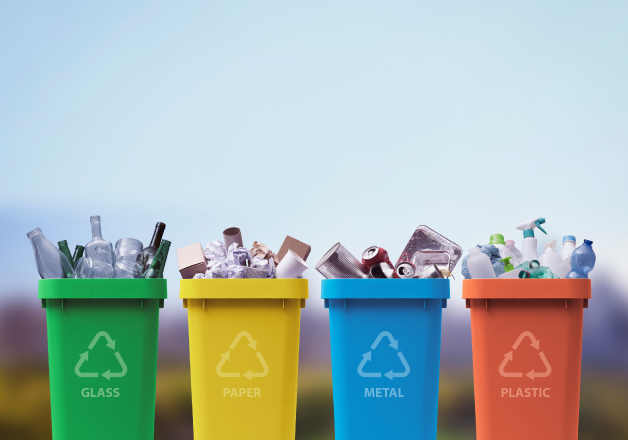
• Waste sorting: Properly discard waste by sorting waste by type, such as organic waste, recycled waste, and hazardous waste, to facilitate proper management.
• Recycle: Recycling waste can help reduce waste, conserve natural resources, and reduce pollution, which might cause environmental problems in the future.
• Reduce plastic use: Avoid using plastic packaging and single-use plastic containers. Instead, use cloth bags to replace plastic bags and carry personal water bottles or start using reusable products.
• Campaigning: Campaign to raise awareness and knowledge about waste problems to encourage everyone to contribute to adequately reducing, sorting, and recycling waste.
Climate change and natural disasters remind the world to recognize the importance of proper and effective waste management. With correct and appropriate solutions in waste management, it is possible to reduce waste and prevent environmental problems from escalating.

Thus, the global waste crisis is a problem that the world’s entire population must come together to help resolve. The solution starts with us changing our daily behaviors by reducing waste production, properly sorting waste, and recycling to contribute to building a waste-free society with a clean environment and a sustainable future.