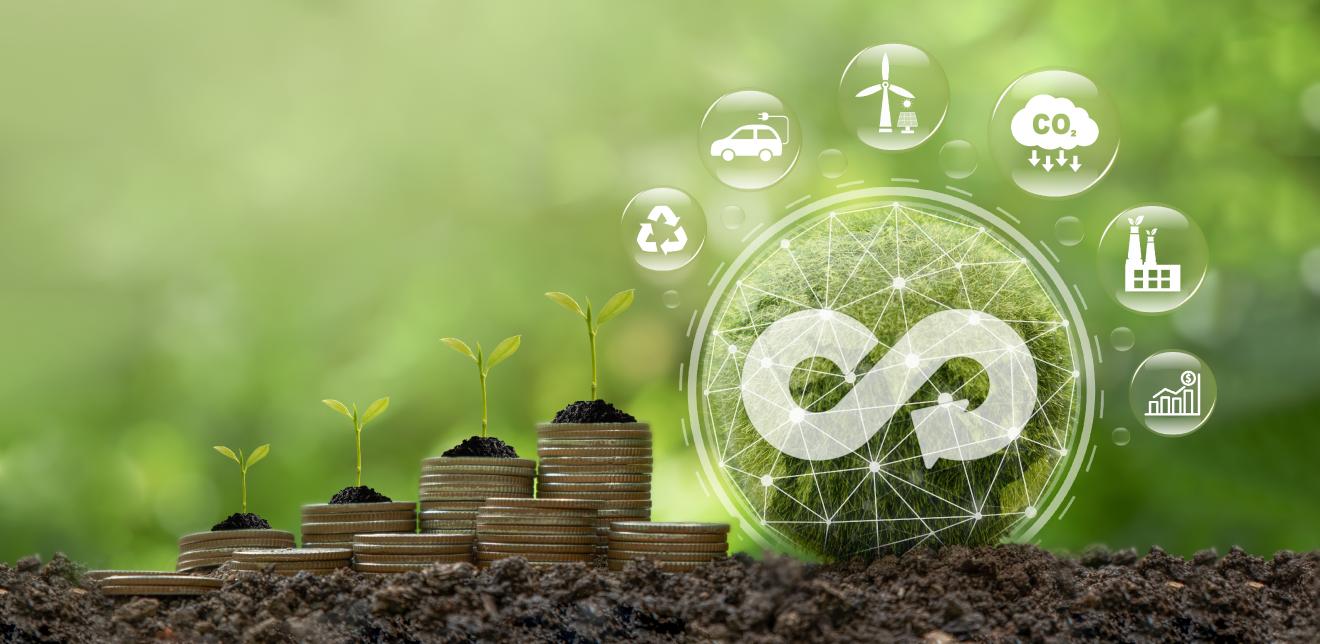
A Circular Economy Is More Than Reuse
In the current production and resource management era, our focus on short-term consumption is pushing the world toward an unsustainable future. Our economic systems are disrupting the natural cycles of life, conflicting with the long-term goals of sustainable development. Meanwhile, the clock is ticking as natural resources dwindle and climate change intensifies, underscoring the urgency for a shift in our approach.
The circular economy is not a mere alternative, but a comprehensive solution to our current challenges. It goes beyond the simple act of reuse, transforming our economic systems from production and consumption to a focus on effective resource utilization, waste reduction, and the creation of sustainable value for the future. Its impact is far-reaching and profound.
What is a circular economy?
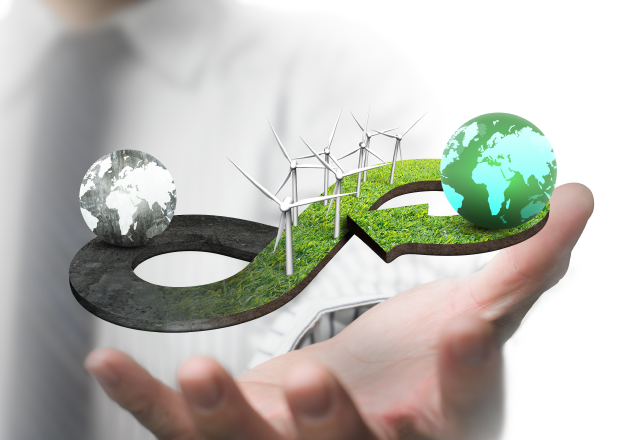
A circular economy is a new form of production and consumption that aims to use resources in the most worthwhile manner possible while simultaneously recreating natural systems to achieve sustainable growth over time.
Therefore, a circular economy can closely mimic nature without producing waste. In doing so, we can drive maximum resource utilization while reducing the use of raw materials and promoting reuse through recycling or creating new, environmentally friendly products, which benefits businesses and economies of the modern world.
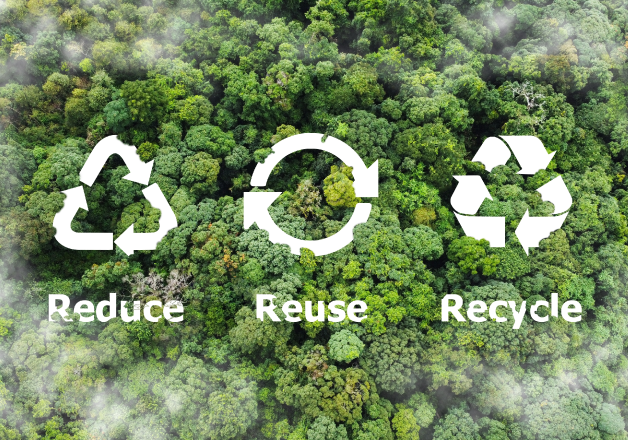
A circular economy is driven by three core concepts as follows:
- Reduce by focusing on designing more efficient products, services, and processes to reduce the consumption of resources.
- Reuse by promoting reutilization of products, materials, and parts without totally remanufacturing them.
- Recycle by processing leftover or waste materials into new raw materials or products.
What are the benefits of the circular economy?
• Environmental protection: It reduces greenhouse gas emissions, resource consumption, and waste creation.
• Benefits for local economies: Local economies benefit from supporting production and processing by reusing local waste and turning it into new raw materials to create new products.
• Jobs and income creation: It promotes the development of new innovative and more competitive industries, leading to increased economic growth and employment.
• Increased local resource value: Reuse of local resources can reduce dependency on imported raw materials while increasing the value of local raw materials.
• Knowledge promotion and development: It promotes the development of research and innovation networks, structuring and disseminating correct and principled information.
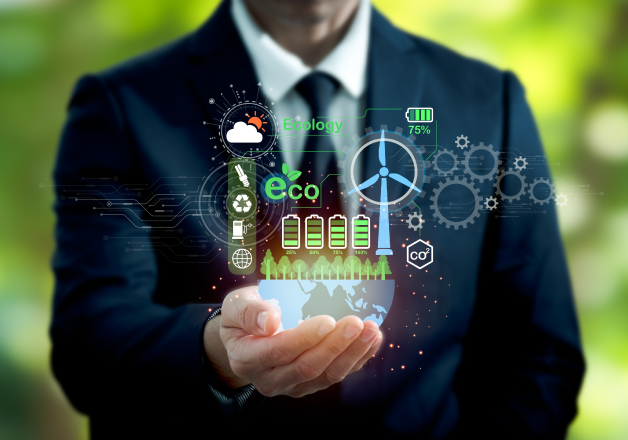
The circular economy is not just about reuse or reduction but a complete system redesign. It starts with the use of sustainable materials and the design of durable, repairable products. While it’s still in its early stages, the world is beginning to recognize its importance. The circular economy offers a hopeful path toward a sustainable future, guiding our economy, society, and population in the right direction.